
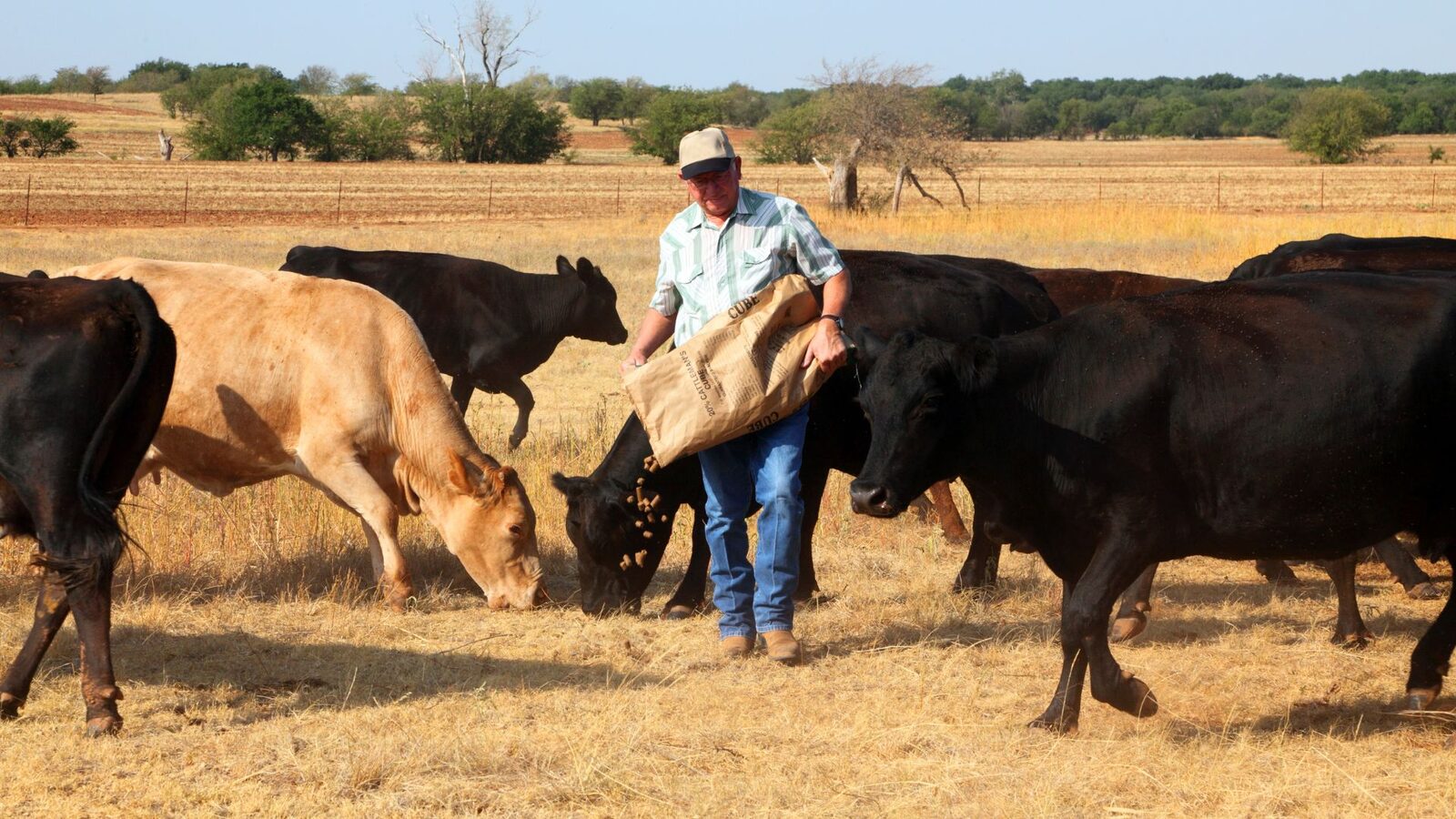
How Animal Welfare and Good Handling Directly Impact Quality, Yield, and Efficiency
May 4, 2026 · Altura Ag Solutions
Animal welfare is more than a moral obligation. It has been shown that it plays a key role and even directly affects the quality and yield (quantity) of the product produced. Good handling and care practices improve animal health, growth rates, and product consistency. This post explores how focusing on animal welfare benefits livestock producers and supply chains worldwide.
The Link Between Animal Welfare and Protein Quality
Animals raised in stress-free environments produce better protein. Stress triggers hormonal changes that affect meat, milk, and egg quality. For example, stressed animals often have tougher meat with lower water retention. This reduces tenderness and shelf life.
Proper handling reduces bruising and injury. Bruises degrade meat quality and lead to product loss. Calm animals also have better immune responses, lowering disease risk and antibiotic use. This supports safer, higher-quality protein for consumers.
Nutrition plays a key role too. Animals that are well cared for tend to eat better and convert feed more efficiently. This leads to improved muscle development and milk production. Good welfare means animals reach market weight faster with consistent quality.
How Good Handling Improves Yield and Efficiency
Handling practices affect how animals grow and reproduce. Rough or improper handling causes stress that slows growth and reduces feed intake. This lowers overall protein output.
Gentle handling techniques encourage animals to move calmly. This reduces energy spent on stress responses and increases feed conversion efficiency. Animals use more nutrients for growth rather than coping with stress.
Proper care also reduces mortality rates. Fewer losses mean more animals reach maturity, increasing total protein supply. Healthy animals reproduce more successfully, supporting herd or flock expansion.
For example, using well-designed livestock handling systems can minimize stress during loading and transport. This prevents weight loss and injury, preserving protein quantity.
Examples of Products and Services Supporting Animal Welfare and Production
Certain products help producers maintain high welfare standards while improving protein outcomes. A few examples include:
- Appropriate Livestock Handling Equipment — Equipment designed to reduce stress during handling, such as curved chutes and non-slip flooring, improves animal calmness. This leads to better growth rates and less injury.
- Animal Welfare Training — Training is an often overlooked but critical key to success in any establishment. When employees and managers know how to utilize animal behavior to move animals more effectively, this directly decreases the stress responses and promotes trust, or at the least, no negative feelings towards humans.
- Animal Welfare Auditing Services — While this may not seem like it could serve to help promote quality and yield, auditing services provide unique but helpful results. Audits conducted by knowledgeable and certified individuals, such as those at Altura Ag Solutions, help identify areas for improvement and ensure compliance with company, local, governmental, and even global standards and scheme requirements. This builds consumer trust and supports market access.
The Role of Specialized Auditing in Ensuring Welfare and Efficiency
Independent auditing verifies that farms follow best practices. Auditors assess animal health, housing, handling, and record-keeping. This ensures compliance with welfare standards that impact protein production.
Auditing and other forms of on-site or remote evaluations identify gaps that may leave your system open to risk and reduce efficiency. For example, poor ventilation and air quality can cause respiratory issues, lowering growth rates. Improvements should be implemented that will boost animal well-being and productivity.
Producers who adopt auditing often see better market access. Consumers increasingly demand transparency about animal welfare. Verified farms can command higher prices and build brand loyalty.
Practical Steps to Improve Animal Welfare and Outcomes
Producers can take several actions to improve welfare and protein production:
- Train staff in low-stress handling techniques
- Use equipment designed to minimize injury and fear
- Monitor animal health regularly and act quickly on issues
- Provide balanced nutrition tailored to animal needs
- Maintain clean, comfortable housing environments
- Implement independent welfare audits for continuous improvement
These steps reduce stress and disease, improving growth and product quality. They also support sustainable, efficient livestock systems.
Focusing on animal welfare and good handling is essential for producing high-quality, abundant animal proteins and products efficiently. It benefits animals, producers, and consumers alike. By adopting best practices and using specialized services, livestock systems can thrive sustainably.
Take the next step by exploring how independent auditing and other support solutions can support your operation’s welfare and protein goals by reaching out to us here.